

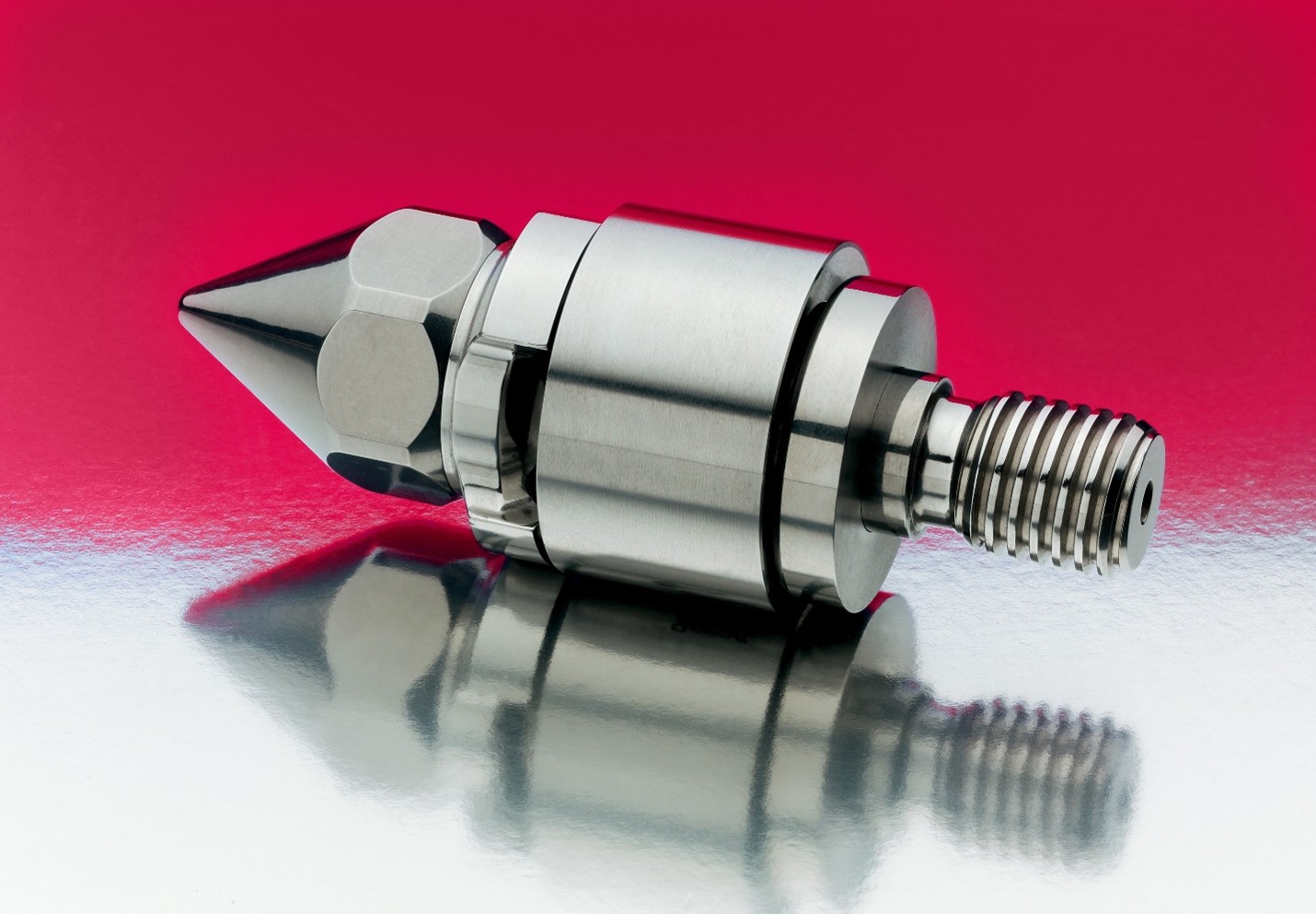
A practical overview of how the Mallard® Z4™ check ring valve helps reduce variation, wear, and material hang-up—so you can hold a steadier process.
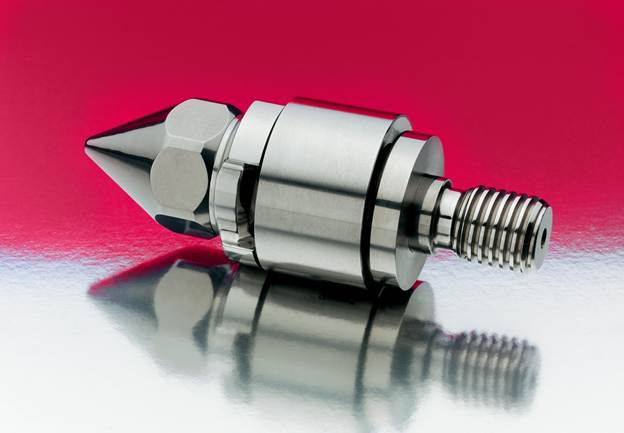
For many injection molding processes, the check ring valve at the end of the screw (sometimes referred to as the screw tip or NRV) plays a crucial role in how consistent your parts are. If the valve doesn’t close the same way every shot, you can see part weights drift, the “cushion” moves around, and the process becomes harder to keep stable. A worn valve can also introduce metal into the finished part, causing significant rejects. Zeiger Industries’ Mallard® Z4™ design was built to reduce these common problems and make rebuilds more process specific and cost effective.
What is the Mallard® Z4 screw tip?
The Mallard® Z4™ is a four-piece check ring valve made up of a stainless-steel retainer, a front seat, a check ring, and a rear seat. By introducing the front seat, the NRV now has a “perishable” part that is replaced when worn versus having to replace the entire screw tip of a three-piece assembly. The Z4™ separates the main wear surfaces into replaceable components which allows the molder to optimize the valves materials and/or rebuild the pieces that wear—without replacing everything.
Why engineers specify a Mallard® Z4™ NRV.
- Easier to rebuild the wear surfaces: With a four-piece design, you can replace the wear parts (usually the check ring and front seat) without scrapping the whole assembly.
- Wear and corrosion show up in different ways: Some materials mainly cause abrasion; others create corrosion and pitting. Separate components make it easier to choose the right materials where they matter most.
- More consistent shut-off: Part-to-part consistency depends heavily on how well the check ring seals against the rear seat. The Mallard® Z4™ valve allows easier check ring travel modifications (via different rear seat options) helping it to close the same way every cycle, thus steadier cushion control and more repeatable parts.
- Cleaner flow path: The design is intended to reduce “dead spots” and can help minimize material hang-up, which is a common contributor to contamination and black specks.
- Lower lifetime cost: Planned rebuilds based on wear (instead of waiting for scrap or downtime) can reduce total cost and unexpected stoppages.
Material and design options (engineering guidance)
Mallard® Z4™ valves come in different material and design options so you can match the valve to what’s wearing it out or creating defects in your process—abrasive filled compounds, corrosive environments (like FR’s/HFFR’s and PVC), contamination from material hang-up (often seen in clear or appearance-critical resins), or a mix of all of these. The goal isn’t just “harder parts.” It’s choosing a combination that holds its form, resists damage and keeps providing consistent molded parts over time.
- Standard Z4™ (PM M4): A solid all-around option for general use and moderately filled materials, especially when wear is more of a concern than corrosion.
- Carbide -faced Z4™ (Hotwork Tool Steel with a 1mm layer of Tungsten Carbide): The all-around best choice when running higher screw speeds and/or back pressure, as well as for when heavily filled resins are being molded.
- HFFR Z4™ (a combination of stainless steels and our proprietary Tungsten Carbide facing): Designed forfilled resins such as Nylon, LCP, and PBT that also incorporate a fire retardant such a Halogen Free (HFFR) material
- All Stainless Steel Z4™ (PM420, PM ZROC or PM ZHCW 20): Multiple materials to address a wide range of corrosive resins including PVC, and GF Nylons. If you are molding the Sulfone family of resins and are experiencing Sulphidation our ZHCW 20 offering will resolve this processing challenge. Additionally, if you are having problems with black specking, then our ZROC is the optimal material choice when molding PC or Acrylics (especially clear or tinted) resins.
NRV failure modes:
What to collect before selecting (or validating) a Mallard® Z4™ valve: Before you pick a Mallard® Z4™ NRV—or to confirm it’s performing well after installation—gather a small set of information that helps separate valve sealing issues from normal process variations.
Cushion variation increases and the transfer point drifts: Often a sign the ring and seat aren’t sealing as well as they used to (wear, pitting, or debris can all cause this).
Very sensitive to decompression: If small decompression changes cause big swings in part weight or cushion, the valve may not be closing consistently at the start of injection.
Black specks, gels, streaking: Often linked to material hang-up and long residence time in the front end of the plasticizing unit (Screw, valve, end cap, nozzle or nozzle tip), sometimes made worse by damaged surfaces that trap resin.
Recovery time slowly gets longer (or melt temperature rises): Can happen when the check ring has started to wear on the mating surface of the front seat during recovery, causing a reduced flow path which can cause increased melt temperatures.
Excessive wear when running filled materials: Glass/mineral fillers can wear the ring and seats quickly, which leads to leakage, inconsistent cushion control, screw and/or barrel wear.
Bottom line for process engineers
When you need consistent shot size and stable parts, the check ring valve is more than a “wear item”—it’s a key part of repeatability. The Mallard® Z4™ approach focuses on replaceable wear components, a flow path intended to reduce material hang-up, and material options that can be matched to your main processing challenges (abrasion, corrosion, or consistency of shut off). In practical terms, the question is: after installing the right valve, do cushion variation and peak pressure swings drop while you keep the same settings? If they do, you’ve likely improved consistency at the front end.
Zeiger Industries – Sales@ZeigerIndustries.com or +1(216) 577-7298 for Stan Glover.